Quick Answer
Passengers want accurate arrival predictions, not static schedules. Modern bus tracking combines GPS, predictive algorithms, and mobile apps to deliver real-time ETAs within 1-2 minutes accuracy. This technology reduces perceived wait times and increases ridership by 12-20%.
Ready to Transform Your Operations?
Contact Fospertise today for a free consultation on your digital transformation journey.
Meeting Passenger Expectations
Static paper schedules frustrate modern passengers accustomed to real-time information everywhere else. Real-time bus tracking transforms the transit experience from guessing games to predictable journeys. Transparency about arrival times builds trust and increases ridership significantly.
Essential Tracking Features
- Accurate Arrival Predictions: Predictive algorithms consider current location, traffic conditions, and historical patterns for 1-2 minute accuracy. Real-time updates adjust predictions every 30-60 seconds keeping passengers informed as conditions change. Machine learning improves accuracy over time learning route-specific patterns and typical delays. Accurate predictions reduce passenger frustration more than any other transit improvement.
- Mobile-First Interface Design: Passengers primarily check arrivals on smartphones requiring large text and simple navigation. Apps work offline showing last known positions when connectivity drops temporarily. Progressive web apps eliminate app store downloads reducing adoption barriers. Accessibility features support visually impaired riders through screen reader optimization and high-contrast modes.
- Service Alert Integration: Automated notifications inform passengers about delays, route changes, and service disruptions immediately. Push notifications reach subscribed riders proactively before they leave home or work. Alert severity levels help passengers distinguish minor delays from major service disruptions. Timely communication maintains trust even when service problems occur inevitably.
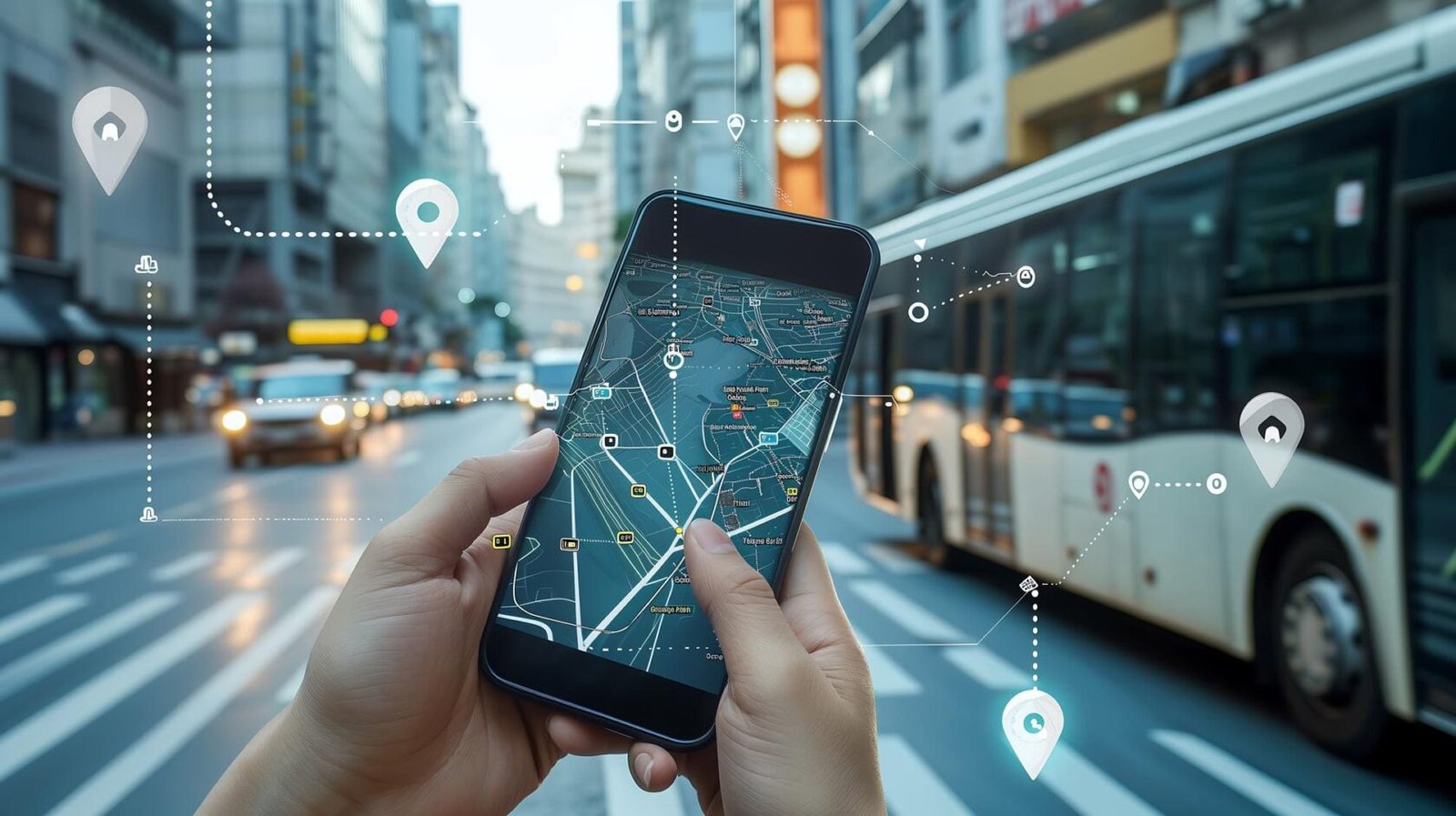
- Stop-Specific Information: Interactive maps show bus locations in real-time with color-coded routes for easy identification. Stop-level displays show next three arrivals with crowding indicators when available. Nearby stops appear automatically using location services helping tourists and occasional riders. Comprehensive stop information reduces confusion and improves overall passenger experience significantly.
Technology Architecture
Reliable bus tracking requires robust technical infrastructure handling thousands of simultaneous users. Understanding this architecture helps transit agencies evaluate vendor capabilities effectively.
- Vehicle GPS Systems: Onboard GPS units provide location updates every 10-30 seconds with cellular backup connectivity. Integration with existing AVL systems leverages current hardware investments reducing deployment costs. Ruggedized equipment withstands bus vibration, temperature extremes, and electrical interference reliably operating for years without maintenance.
- Cloud Processing Platform: Scalable cloud infrastructure handles peak demand during rush hours without performance degradation. Message queues process thousands of GPS updates per second computing ETAs in real-time. Geospatial databases optimize map rendering and stop proximity calculations for fast response times. Auto-scaling adjusts capacity automatically maintaining performance across varying usage patterns.
- Predictive ETA Engine: Machine learning models analyze historical trip data identifying normal patterns and typical delays. Real-time traffic integration adjusts predictions based on current road conditions dynamically. Statistical confidence intervals indicate prediction reliability helping passengers make informed decisions. Continuous model retraining improves accuracy as more operational data accumulates over time.
- Mobile Application Framework: Progressive web apps provide native-like experiences without app store approval delays or version fragmentation. Responsive design adapts interfaces for phones, tablets, and kiosks using single codebase. Offline functionality caches recent arrival data allowing basic usage without connectivity. Push notification support keeps engaged passengers informed about their routes proactively.
- Integration Layer: APIs connect tracking systems with fare collection, dispatch, and scheduling platforms for operational efficiency. Real-time data feeds supply transit apps like Google Maps and Citymapper expanding passenger reach. Open standards like GTFS-realtime enable ecosystem integrations benefiting the entire region. Comprehensive integration transforms tracking from standalone tool into core transit infrastructure component.
Implementation and Adoption
Technology deployment success depends on passenger adoption and operational integration. These strategies maximize ridership impact from tracking investments.
- Phased Rollout Strategy: Pilot high-visibility routes first demonstrating value before full system deployment. Collect passenger feedback early identifying issues and desired features for later phases. Expand gradually ensuring support resources scale with growing user base appropriately. Staged approach reduces risk while building operational expertise and stakeholder confidence systematically.
- Public Awareness Campaigns: Multi-channel marketing educates passengers through bus ads, social media, and community events. QR codes at stops provide instant access encouraging first-time usage. Success stories and user testimonials build credibility demonstrating real value. Sustained promotion maintains awareness as new riders discover the service continuously.
- Operator Training Requirements: Educate dispatchers on monitoring tools, alert management, and passenger inquiry responses. Train operators on GPS system operation and troubleshooting procedures for field issues. Develop clear protocols for system failures ensuring service continuity during technical problems. Comprehensive training maximizes system benefits and minimizes operational disruptions from technology issues.
- Performance Monitoring: Track prediction accuracy, app usage, and passenger feedback continuously measuring system effectiveness. Monitor technical metrics like GPS uptime and data transmission success rates. Analyze ridership trends correlating tracking adoption with passenger growth quantifying business impact. Regular reviews identify optimization opportunities and demonstrate ROI to stakeholders.
Accessibility Enhancements
- Voice Announcements: Support visually impaired riders complementing mobile apps
- High-Contrast Display Modes: Accommodate various visual abilities with large text options
- Multi-Language Support: Serve diverse communities expanding transit accessibility
- Trip Planning Integration: Integrate tracking with trip planning tools for seamless passenger experience
- Digital Signage: Display real-time information on digital signs at major stops and stations
- SMS-Based Lookups: Offer SMS-based arrival lookups for passengers without smartphones
Real-time bus tracking revolutionizes transit experience delivering information passengers actually want. Successful implementation combines accurate technology, intuitive design, comprehensive training, and sustained promotion. Transit agencies investing properly see measurable ridership increases, improved satisfaction scores, and enhanced competitiveness against private transportation alternatives. The technology has matured from luxury to necessity in modern transit operations.
Tracking Technology Options
| Transit-Specific Solutions | Generic Tracking Apps |
|---|---|
| Purpose-Built Systems Dedicated transit platforms integrate seamlessly with scheduling, AVL, and fare collection systems from day one. Predictive algorithms understand bus operations like dwell times, passenger loading, and schedule adherence. Industry-specific features include crowding predictions, service alerts, and wheelchair accessibility information. Proven reliability handles peak commute demand without performance issues. Vendors understand transit regulations, funding requirements, and operational constraints. Higher investment delivers superior reliability, features, and support for mission-critical transit operations. | Adapted Solutions Consumer GPS apps modified for transit lack operational understanding and purpose-built features. Basic map displays show vehicle locations but miss critical transit-specific functionality like crowding, alerts, and accessibility. Unreliable performance during peak usage frustrates passengers damaging transit agency reputation. Limited integration capabilities require manual data management increasing operational overhead. Lower costs attractive initially but insufficient features and poor reliability undermine ridership goals and passenger satisfaction severely. |
Investment Breakdown
| Small Agency Implementation | Regional Transit System |
|---|---|
| 10-30 Buses Vehicle hardware costs $200-$400 per bus including GPS units and installation labor. Cloud platform subscriptions range $30-$50 per vehicle monthly covering data processing and storage. Mobile app development or white-label licensing adds $20,000-$40,000 one-time cost for basic functionality. Total first-year investment approximately $60,000-$90,000 including hardware, subscriptions, and implementation. Cost-per-rider decreases significantly as adoption grows making tracking economically sustainable for small operations. | 100+ Buses Volume discounts reduce per-vehicle costs to $150-$300 for hardware and $20-$35 monthly subscriptions. Comprehensive platforms justify $100,000-$200,000 app development investment through advanced features and customization. Integration with existing systems adds $50,000-$100,000 depending on complexity and vendor cooperation. Total first-year investment $250,000-$450,000 achieves ROI through ridership growth and operational efficiencies. Economies of scale make sophisticated tracking affordable for regional agencies serving diverse communities. |
Frequently Asked Questions
How accurate are real-time arrival predictions?
Modern systems predict arrivals within 1-2 minutes accuracy using machine learning algorithms analyzing traffic, weather, and historical patterns. Accuracy improves over time as systems learn route-specific characteristics and typical delays. Continuous recalculation maintains accuracy as conditions change throughout the day.
What happens when buses lose GPS signal?
Systems display last known location and pause prediction updates until connectivity returns. Most urban areas maintain reliable GPS and cellular coverage with brief outages. Predictions automatically resume when communication reestablishes typically within seconds or minutes.
Can passengers access tracking without smartphones?
Progressive web apps work on any internet-connected device without app downloads. Digital displays at stops show arrivals for passengers without mobile access. SMS-based lookups provide basic arrival information through text messages. Multiple access methods ensure inclusive service for all passenger demographics.
How does tracking integrate with existing transit systems?
Modern platforms connect with AVL, scheduling, and fare collection systems through APIs and standard protocols. GTFS-realtime feeds supply data to third-party apps like Google Maps expanding reach. Integration complexity varies but vendors typically handle technical details with transit IT cooperation.
What's the impact on ridership from real-time tracking?
Studies show 12-20% ridership increases after tracking implementation through improved passenger confidence and convenience. Reduced perceived wait times and accurate information attract choice riders considering private transportation alternatives. Customer satisfaction scores improve measurably across all demographics.
How long does implementation take?
Small agencies complete basic deployments in 3-4 months including hardware installation and app launch. Larger systems require 6-12 months for comprehensive integration, testing, and rollout. Phased approaches accelerate time-to-value while managing complexity across large operations.
What's included in ongoing costs?
Monthly subscriptions cover cellular data, cloud hosting, app updates, and technical support. Hardware maintenance averages $20-$30 per vehicle annually for repairs and replacements. Budget 10-15% of initial investment annually for sustainable operations including staff training and system enhancements.
Can agencies customize tracking apps?
White-label solutions offer branding, color schemes, and feature selection matching agency identity. Custom development enables unique functionality like bike rack availability or wheelchair accessibility. Balance customization desires against costs and maintenance complexity for long-term sustainability.
Partner with Fospertise
Transform your operations with industry-leading technology solutions. Contact us today to discuss how we can help you achieve measurable growth and operational excellence.
Get Free Consultation