Quick Answer
Modern tracking uses GPS devices, cell phone networks, and cloud platforms to provide you updates on your location every second. Integration with customer portals, automated notifications, and projected ETAs makes things clear, which fosters trust and cuts down on support requests by 60–70%.
Ready to Transform Your Operations?
Get in touch with Fospertise today to set up a free consultation about your digital transformation journey.
Technology Makes Customers More Open
Customers today want to be able to see every shipment like they can on Amazon. Real-time tracking technology changes logistics from secretive, unpredictable operations to clear, predictable services. Customers trust you more when they can see exactly where their things are at all times.
Parts of Core Technology
- Hardware for GPS and Telematics: Using multi-constellation GPS systems, modern tracking gadgets can tell you where you are within 5 to 10 meters. Carrier redundancy in cellular communication makes sure that data may be sent even in faraway places. Batteries in devices endure 2 to 5 years, and there are solar charging options for long-term asset tracking. Installation only takes a few minutes with plug-and-play OBD-II connectors or hardwired choices for permanent placement.
- Processing Data in the Cloud: Every day, cloud platforms take in millions of location pings and process them in real time without slowing down. Machine learning algorithms automatically find problems, guess when they will happen, and make routes better. Scalable infrastructure makes it easy to handle seasonal demand spikes, which means there are no limits on capacity. API-first architecture makes it easy to connect to business systems that are already in place.
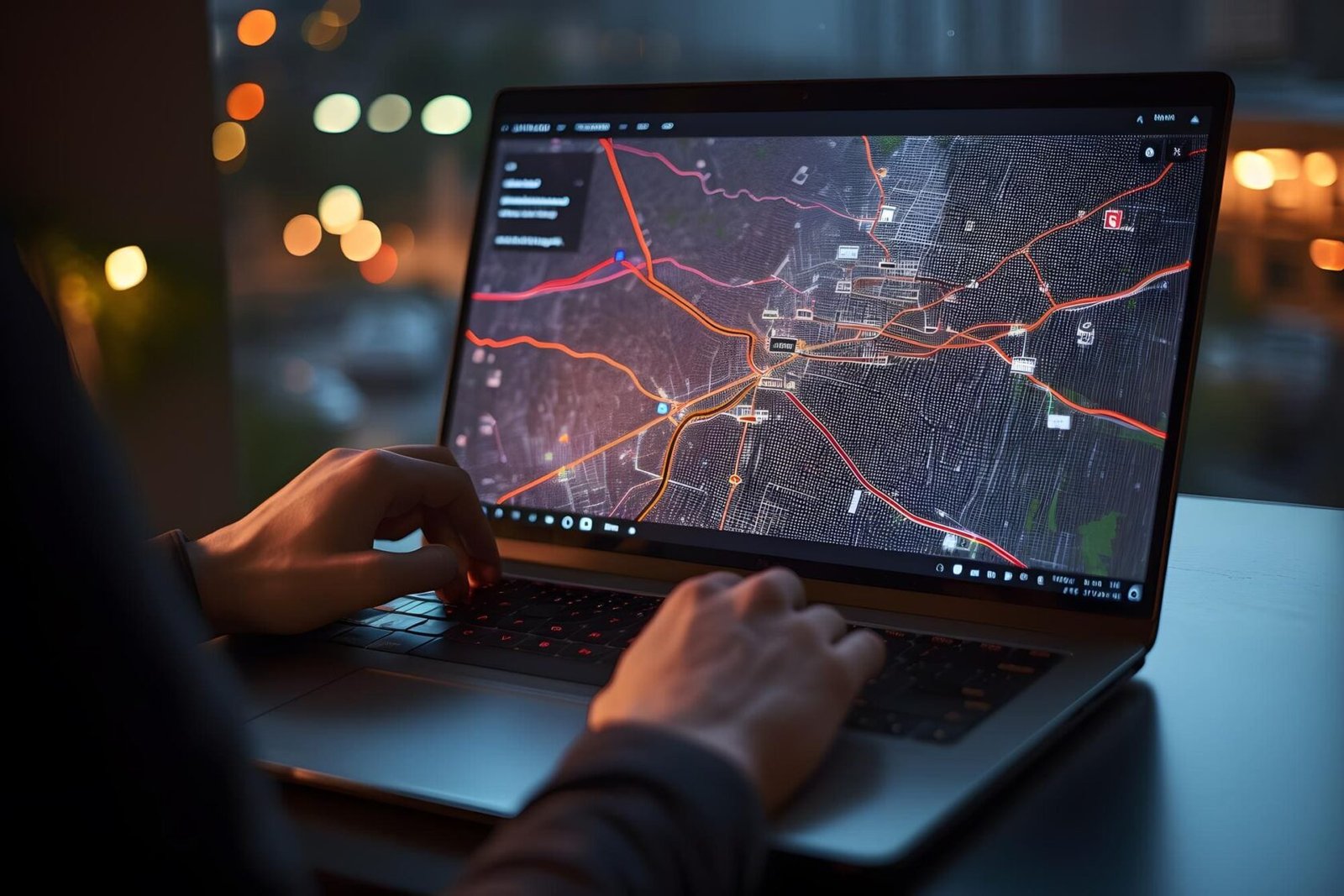
- Integration with the Customer Portal: White-label monitoring gateways can be added straight to your website, keeping the brand experience the same. Responsive design for mobile devices works perfectly on all devices without needing to download an app. Automated email and SMS reminders keep clients up to date, which cuts down on the number of support requests. Live maps show where cars are going in real time, and the anticipated arrival times change automatically.
- Reporting and Analytics: Historical data shows how performance has changed over time, finds problems, and measures how service has gotten better over time. Custom dashboards show important numbers, such as the percentage of on-time deliveries and the average time it takes for goods to get to their destination. Predictive analytics can let you talk to customers before a delay happens. Executive reporting shows ROI by using objective performance metrics.
How to Track in Real Time
Knowing the technological basics helps you judge a vendor's skills and the needs for implementation. This system architecture lets you track things reliably and accurately on a large scale.
- Layer for Collecting Data: GPS devices record location coordinates every 10 to 60 seconds, depending on how the person moves. Accelerometers can tell when a car stops, brakes hard, or idles, which saves battery life by using smart sampling. Temperature sensors and door sensors help keep an eye on the condition of important shipments, giving you full visibility.
- Infrastructure for Communication: Cellular modems send data over 4G and 5G networks, and if there are coverage gaps, they automatically switch to 3G. Low-power modes turn on in regions with weak signals, storing data until the connection gets better. Multi-carrier SIM cards switch networks on their own to make sure that users get the most uptime possible around the world.
- Cloud Processing Pipeline: Ingestion services get streams of location data that process thousands of updates every second. Message queues separate data collecting from processing, which keeps things from getting too busy during high traffic times. Event-driven design works well to provide messages, change ETAs, and log problems in real time.
- Alerts and Geofencing: Automated messages are sent out when virtual borders are crossed around warehouses, customer sites, and restricted areas. Customers and internal teams get rapid notifications when someone leaves or arrives. Dwell time alerts let you know about unusual stops that could mean delivery problems that need to be fixed.
- Algorithms for Predictive ETA: Machine learning models look at past routes, current traffic, and weather to predict when things will arrive. Recalculating projections all the time keeps clients up to date on changes in conditions. Confidence intervals show how reliable a prediction is, which helps you choose the right way to talk to customers.

Best Practices for Implementation
To make sure that tracking implementation goes well, you need to plan carefully beyond just installing the equipment. These operational factors make sure you get the most out of your investment.
- Choosing Hardware Strategy: Choose devices that fit the sorts of assets you have. For fleets, use hardwired units; for trailers and containers, use battery-powered equipment. Think about things like severe temperatures, exposure to dampness, and levels of vibration in the surroundings. Standardizing on one or two models makes it much easier to keep track of inventories, educate employees, and fix problems.
- Setting Up and Calibrating: A professional installation makes sure that the GPS antenna is in the best spot for reliable satellite reception. Correctly connecting the electricity keeps the battery from running out too soon and the device from breaking down. Calibration checks that the mileage tracking and geofence boundaries are correct before making customer-facing services available to the public.
- Rollout of Customer Communication: To keep customers happy and get feedback before complete implementation, roll out tracking slowly. Use email campaigns and video tutorials to teach customers about the benefits of the portal. Set reasonable expectations for how often updates will come and how accurate the ETA will be. This will keep people from being disappointed by false hopes.
- Requirements for Staff Training: Teach dispatch teams how to run the site, look into problems, and answer client questions. Teach drivers how to use the gadget, how to protect their privacy, and how to fix problems. Make reference materials and support workflows that everyone in your business may use in the same way.
- Monitoring Performance: Every month, keep an eye on how long devices are up, how often data is sent successfully, and how often customers use the portal. Use feedback surveys and support ticket analysis to keep an eye on how happy your customers are. Do quarterly reviews to look at ROI and find ways to improve service quality all the time.
Key Implementation Considerations
- Test with 10–20% of the fleet before full deployment
- Set up explicit privacy rules that explain how you keep an eye on drivers
- For better operational efficiency, combine tracking data with dispatch and billing systems
- Keep the firmware on your devices up to date to avoid security holes
- Write out the steps for escalating system failures so you can keep track of them
Real-time tracking technology makes customers feel more confident by being open and honest. To be successful, you need reliable hardware, a strong cloud infrastructure, easy-to-use client interfaces, and thorough training for your personnel. Companies that invest in the right deployment consistently see a 60–70% drop in “where is my shipment” questions, as well as better customer retention and a stronger position in the logistics markets.
Ways to Use Tracking Technology
| GPS Tracking in Real Time | Tracking with a Smartphone |
|---|---|
| Full Visibility Dedicated GPS devices update your location every 10 to 60 seconds with an accuracy of 5 to 10 meters. Cellular connectivity guarantees that data may be sent even if the driver isn’t using their smartphone or isn’t willing to help. Sensors built into the vehicle keep an eye on its health, the state of the cargo, and the driver’s behavior in addition to just tracking where the vehicle is. The device keeps working well no matter what the driver does or what happens to it. Professional-grade monitoring infrastructure requires a higher upfront cost, but it gives you better data quality, operational insights, and customer confidence. | A Cheap Choice Mobile apps utilize drivers’ smartphones to track their locations, which cuts down on hardware expenses but raises worries about reliability. Battery depletion and limits on background apps make it harder to measure things consistently and accurately. Drivers can quickly turn off tracking, whether they mean to or not, which can lower the quality of the data. It depends on the driver’s smartphone, mobile phone plan, and willingness to work together for it to work. Lower prices are good for small businesses, but not enough for professional logistics that need proven tracking reliability and client transparency. |
Things to Think About While Investing
| GPS Systems for Professionals | Solutions for Smartphones |
|---|---|
| Features and Dependability Depending on features like battery backup and temperature monitoring, hardware costs between $100 and $300 per device. The average monthly service charge is between $15 and $40 per device, including access to cellular data and cloud platforms. Adding customer portal connection with white-label branding costs an extra $2,000 to $5,000 to set up. The total cost for the first year per vehicle ranges from $400 to $800, which includes hardware, a subscription, and setup. Enterprise capabilities like comprehensive analytics and API access make premium prices worth it because they add operational value and set you apart from the competition. | Low Initial Investment There are no hardware expenditures because drivers use their own or company-provided smartphones to track their work. For basic tracking services, monthly software subscription rates run from $5 to $15 per driver. Basic map displays and manual update methods are the only functionalities available in the client portal. Total first-year cost under $200 per driver is attractive for cost-sensitive operations. Unreliable tracking data, more help requests, and worries about how professional the business looks can all lead to hidden costs that hurt customer happiness and perceptions. |

Commonly Asked Questions
How precise is GPS tracking in real time?
Under normal conditions, modern multi-constellation GPS devices can pinpoint a location within 5 to 10 meters. Urban canyons and tunnels can momentarily lower accuracy, but systems quickly get the signal again. Professional logistics tracking is far more accurate than smartphones since it uses specialized hardware and antenna design.
What happens if the tracking devices can’t connect to cellular networks?
When there are pauses in connectivity, devices store location data internally and then send it when the signal comes back. Multi-carrier SIM cards swap networks on their own to keep uptime as high as possible. Most professional systems can send and receive data 98–99% of the time, even in places with poor coverage.
How do customers get to the tracking information?
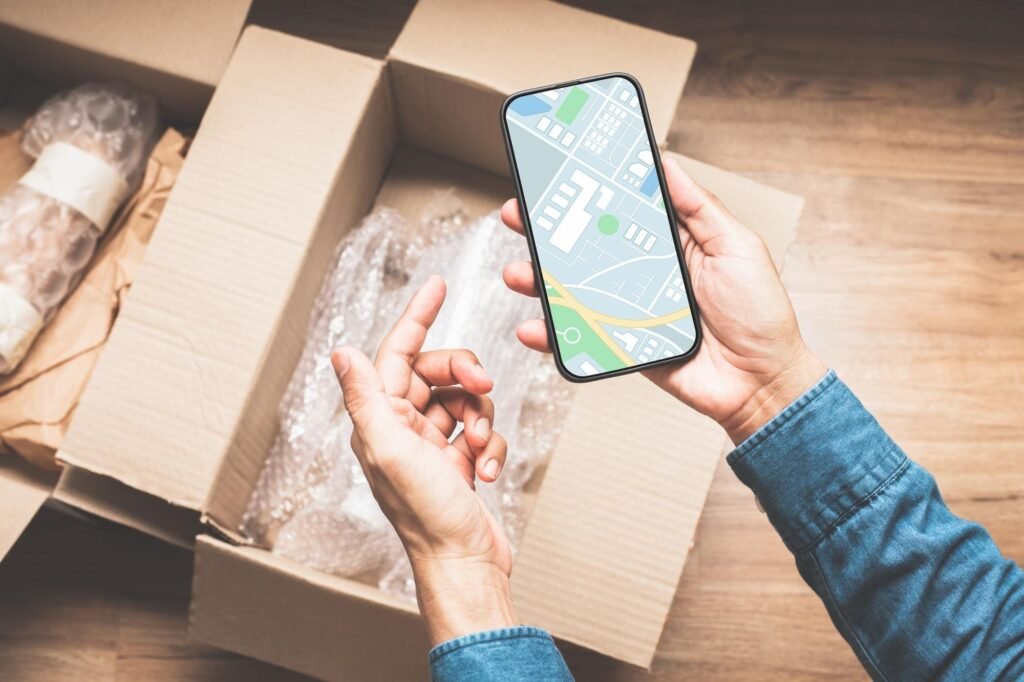
White-label portals are built into your website and give users branded tracking experiences. Automated email and SMS alerts come with tracking URLs that don’t need a login. Mobile-friendly design works on all devices without needing to download an app, making it easier for customers to access their information.
Is it possible for tracking systems to work with other software?
REST APIs are available on modern platforms, which makes it possible to connect with TMS, ERP, and customer support systems. Webhooks automatically send real-time updates to your systems. Pre-built connections for well-known software platforms make integration and implementation a lot easier and faster.
What about drivers’ worries about privacy?
Drivers trust you more when you have clear privacy regulations that explain why you are monitoring them and how you will use their data. Many systems have “off-duty” modes that turn off tracking when you’re not working. Transparent communication and following the rules around privacy handle privacy issues while also meeting the need for operational visibility.
How long do the batteries in tracking devices last?
Hardwired car installations use power from vehicle batteries that are always running. Battery-powered asset trackers can last anywhere from 2 to 5 years, depending on how often they report and the weather. Solar charging alternatives greatly increase the life of batteries in outdoor gear and trailers.
What kind of return on investment might I expect from tracking technology?
Most businesses get their money back in 12 to 18 months by cutting down on support requests, keeping customers, and making their operations more efficient. Extra value comes from reducing fuel costs, eliminating theft, and increasing productivity. Most customers say that calls asking “where is my shipment” go down by 60–70% right away.
Can tracking systems tell if there will be a delay in delivery?
Machine learning algorithms look at traffic, weather, and past patterns to guess when things will be late with 85–95% accuracy. Proactive notifications let clients know before they miss a delivery window. Constantly recalculating the ETA keeps projections up to date as conditions change throughout transit.
Work with Fospertise
Use the best technology solutions in your field to change the way you do business. Get in touch with us today to talk about how we can help you reach your goals of measurable growth and operational excellence.
Get Free Consultation